Women's health
12 modules3 labs
Health across a lifetime, not only disease: the cycle, contraception, sexual health, fertility and preconception care, menopause, the pelvic floor, bone and breast health, screening.
Across a lifetime
The stages, and the visit each one brings.
- 01Adolescence
The cycle begins
Menarche, the normal cycle and what is not normal: heavy, painful or absent periods, and the first conversations about contraception, HPV vaccination and consent.
- 02Reproductive years
Choosing, preventing, planning
Contraception that fits her goals, screening for infection and for cervical disease, the fertility question, and the visit before a pregnancy that changes its outcome.
- 03Pregnancy and after
The pregnancy, and the body afterwards
The pregnancy journey has its own door. Here: what the pelvic floor and the mind carry after birth, and the contraception conversation before discharge.
- 04Midlife
Perimenopause and menopause
Vasomotor symptoms, the genitourinary syndrome, sleep and mood; hormone therapy and the alternatives, and the bleeding after menopause that is always investigated.
- 05Later life
Bone, breast, bladder
Fracture prevention, breast screening and the lump that is always assessed, incontinence and prolapse that are common and treatable, and the pelvic examination that still matters.
- 06Every visit
Safety, consent, the whole person
Asking about violence and coercion, alone and without judgement, and knowing what to do with the answer.
The modules
Health across a lifetime: the cycle, contraception, sexual health, fertility and preconception care, menopause, the pelvic floor, bone and breast health, screening, and safety at the visit.
- 01The menstrual cycleFour hormones, two organs, one feedback loop that flips from negative to positive for a day. The cycle lab draws it; this module explains it.Reproductive health · foundation
- 02Contraception: methods, eligibility and counsellingEffectiveness with typical use, the medical eligibility categories, and a counselling approach that starts from what the patient wants.Reproductive health · reference
- 03Sexual health and sexually transmitted infectionsWho to test, how to test, what to treat and who else to tell: the sexual health visit as a routine part of women's health, not an accusation.Reproductive health · condition
- 04Preconception careThe visit before the pregnancy is the one that changes outcomes most: folic acid, the chronic disease brought under control, the medicine stopped, the vaccine given, the carrier screen offered.Reproductive health · foundation
- 05Infertility foundationsTwelve months of trying (six after 35), then a work-up of the three things that must happen: an egg, a sperm, and a way for them to meet.Reproductive health · foundation
- 06Polycystic ovary syndromeThe commonest endocrine disorder of reproductive age: a diagnosis of two out of three, after other causes are excluded, with consequences that reach well beyond fertility.Reproductive health · condition
- 07Menopause and its managementTwelve months without a period, on average at 51. The symptoms are treatable, the risks of treatment are specific, and the conversation is individual.Gynaecology · condition
- 08Urinary incontinence and pelvic organ prolapseCommon, embarrassing, rarely volunteered and largely treatable without an operation: the two pelvic floor problems and the conservative care that comes first.Gynaecology · condition
- 09Bone health after the menopauseOestrogen loss accelerates bone loss for a decade; a fracture is the event to prevent. Who to assess, what a T-score means, and when the medicine is worth it.Gynaecology · foundation
- 10Breast health in the women's health clinicThe lump, the pain, the discharge and the screening question, at the depth the clinic that sees her first needs: what is benign, what is referred, and how the diagnosis is made.Gynaecology · foundation
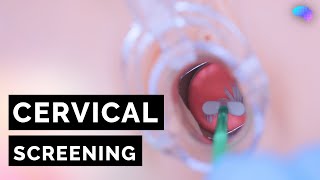
- 11Cervical screening, HPV and the abnormal resultA cancer that screening prevents: HPV testing is replacing cytology, colposcopy finds the lesion, and vaccination is closing the loop.Gynaecological oncology · reference
- 12Safety at the visit: intimate partner violence and reproductive coercionOne in three women experiences violence from a partner in her lifetime. The women's health visit is where it can be asked about, safely, and where the answer changes what you do.Gynaecology · foundation